Published 2026-11-03 · 8 min
Automate Moneybird accounts receivable: 2026 guide
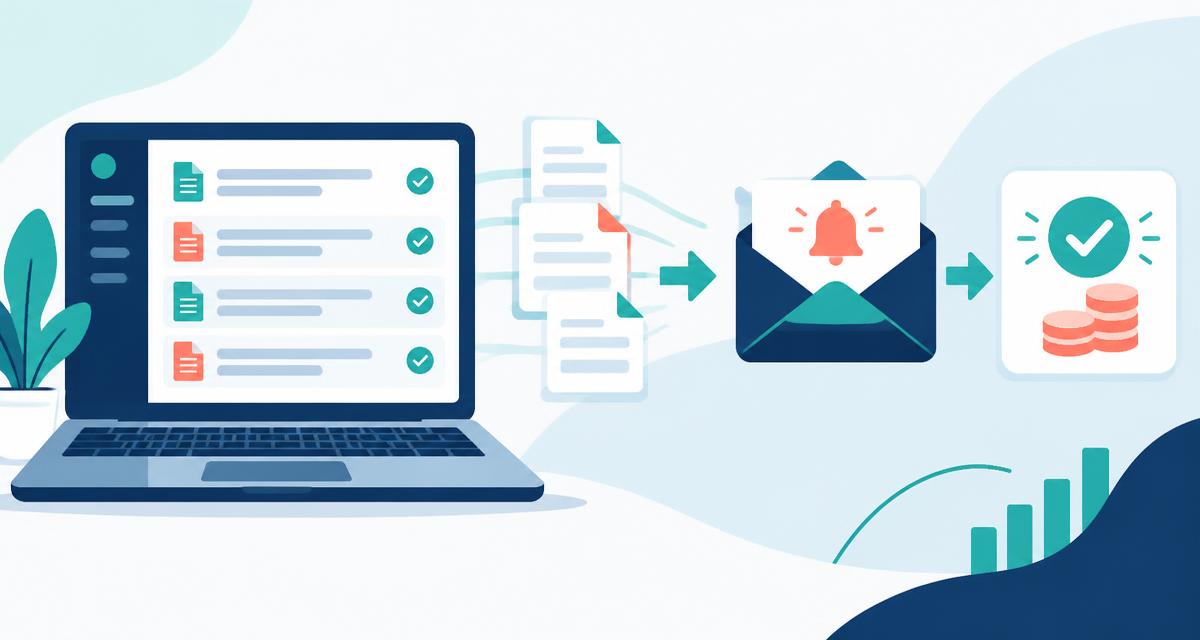
Moneybird supports invoicing and payment reminders through workflows. Credimigo can support further follow-up and case reviews alongside it. Start with current balances, reliable contacts and a single sending workflow. A Dutch consumer notice, interest, collection costs or legal action must not follow merely because an invoice is overdue: applicable law, evidence and required approval still determine the next step.
Why follow-up stalls after the due date
Sending an invoice is not the same as monitoring its outstanding balance. When work gets busy, calls, replies and payment promises slip into next week. The result is time lost and cash tied up with customers.
Moneybird does offer invoice workflows and reminders. The useful question is not whether it does any receivables management, but how you handle exceptions: partial payments, disputes, wrong contact details and installment plans. Those need an owner rather than an unmonitored inbox.
What does an overdue invoice cost?
A €3,000 invoice paid 60 days late ties up that money for two months. Follow-up also takes staff time. Interest and collection costs are possible separate claims, not guaranteed revenue.
For illustration only, an assumed annual rate of 10.4% gives €3,000 × 0.104 × 60 ÷ 365 ≈ €51.29 in simple interest. The Dutch statutory collection-cost scale gives €425 on €3,000 principal: 15% of the first €2,500 and 10% of the next €500. Whether it applies depends on the debtor type, default, terms and procedural requirements.
Check rates for each relevant period with the Dutch government. Commercial interest does not apply to consumers, and Dutch rules do not automatically govern customers abroad. These are Dutch-law examples, not local advice for every country.
Moneybird and Credimigo: divide responsibilities
Keep Moneybird as the accounting source and prevent two systems from sending the same reminders.
| Task | Moneybird | Alongside Credimigo |
|---|---|---|
| Invoicing | Invoices and workflows | Moneybird remains the source |
| Reminders | Configurable workflows | Follow-up under configured rules |
| Payments | Accounting reconciliation | Balance checks before follow-up |
| Replies and arrangements | Organise your own process | Case reviews and installment monitoring |
| Legal notices and costs | Check legal requirements | Verified rules and required approval only |
Step 1: get the data right
Check invoice references, due dates, outstanding balances, business versus consumer status and the right accounts-payable email address. Agree payment terms before delivery and make the invoice easy to pay.
For Dutch B2B transactions, the default is generally 30 days if no term is agreed, with a general 60-day maximum subject to legal exceptions. Large businesses must pay SME suppliers within 30 days. Check the government guidance rather than applying these limits to every foreign customer.
Step 2: connect Moneybird and review eligibility
Connect the correct administration and review the synchronization status, start date and follow-up rules. The integration reads invoice and contact data; it does not turn a new connection into permission to chase every historic invoice at once.
Paid, disputed or paused cases stay outside ordinary reminders. Stale or uncertain payment information requires waiting and verification. Once a confirmed full payment has been processed, collection follow-up stops; partial payments require the remaining balance to be checked.
Step 3: design a predictable follow-up schedule
This is a process example, not Credimigo’s default schedule or a legally required reminder sequence.
| Stage | Example action | Condition |
|---|---|---|
| Before due date | Friendly advance notice | Only if configured |
| After due date | Reminder with payment option | Current unpaid balance |
| No response | Clear demand for payment | Check payments and replies |
| Exception | Personal contact or proposal | Human review |
| Before costs or legal action | Applicable formal notice | Law, delivery evidence and approval |
Choose one sender workflow. AI can help with tone and review, but cannot remove mandatory legal wording or independently start legal proceedings.
Step 4: handle interest and collection costs carefully
Dutch consumers need a compliant fourteen-day notice before statutory collection costs can become payable. The deadline depends on receipt, not simply pressing Send.
Credimigo’s Dutch WIK notice requires explicit approval and uses confirmed delivery to anchor the deadline. Interest and costs require verified applicable rules and an opted-in claim. An unknown country is not a legal jurisdiction. Cross-border invoices need an assessment of governing law first.
Step 5: retain control and monitor payment plans
Credimigo is self-collection software, not a collection agency. You manage the claim and decisions about exceptions, proposals and legal follow-up. Messages use the configured Credimigo sender; do not assume every email is sent directly from your own company domain.
An agreed installment plan stops ordinary collection follow-up while installment monitoring continues. A partial receipt is not full payment. Verify payments before chasing a missed installment and refer disputes or unexplained differences for review.
Step 6: measure what changes
Track the outstanding balance, aging, DSO and unresolved exceptions consistently. DSO = (accounts receivable ÷ revenue in the period) × days in the period. It is an aggregate management measure, not a prediction of a specific customer’s payment date.
Read 15 ways to reduce DSO and compare results over several periods rather than promising a fixed improvement.
Five mistakes to avoid
- Only following up when someone has spare time.
- Letting Moneybird and another system send overlapping reminders.
- Sending with stale balances or despite a dispute.
- Treating interest and fees as automatically due for every customer.
- Recording a plan or partial payment as full settlement.
Who benefits and where to start
Freelancers, SMEs, wholesalers, subscription businesses and accounting firms may benefit from consistent follow-up. Results depend on invoice volume and exceptions; faster payment is not guaranteed.
Start with reliable data and a small number of steps. Review the first cases, then expand. Moneybird remains your bookkeeping system while Credimigo helps organize follow-up and decisions.
Frequently asked questions
Can Moneybird send automatic payment reminders?
Yes, through configured invoice workflows. Check the settings and prevent overlap with other sending systems.
How do I connect Moneybird?
Use the integration settings, then review synchronization, the start date and follow-up rules.
Will all historic invoices be chased immediately?
No. Start rules and case checks determine eligibility; a new connection should not produce an uncontrolled backlog burst.
Is the Dutch consumer notice sent automatically?
Credimigo’s WIK notice requires explicit approval, and its legal deadline is anchored to confirmed delivery.
Do Dutch collection rules apply in Belgium?
Not automatically. Governing law, customer type and local requirements must be established first; language does not determine jurisdiction.
What happens to a payment plan?
Ordinary follow-up stops while installments remain monitored. Only verified receipts count as payments.
Bronnen
Analyseer je eerste factuur gratis
Upload een openstaande factuur en zie binnen een minuut je Recovery Score, de juiste taal voor je debiteur en een kant-en-klare laatste aanmaning.
Analyse an invoice free